Corporate Data Theft by Employees: How to Prevent It, Recover Stolen Data, and Take Legal Action
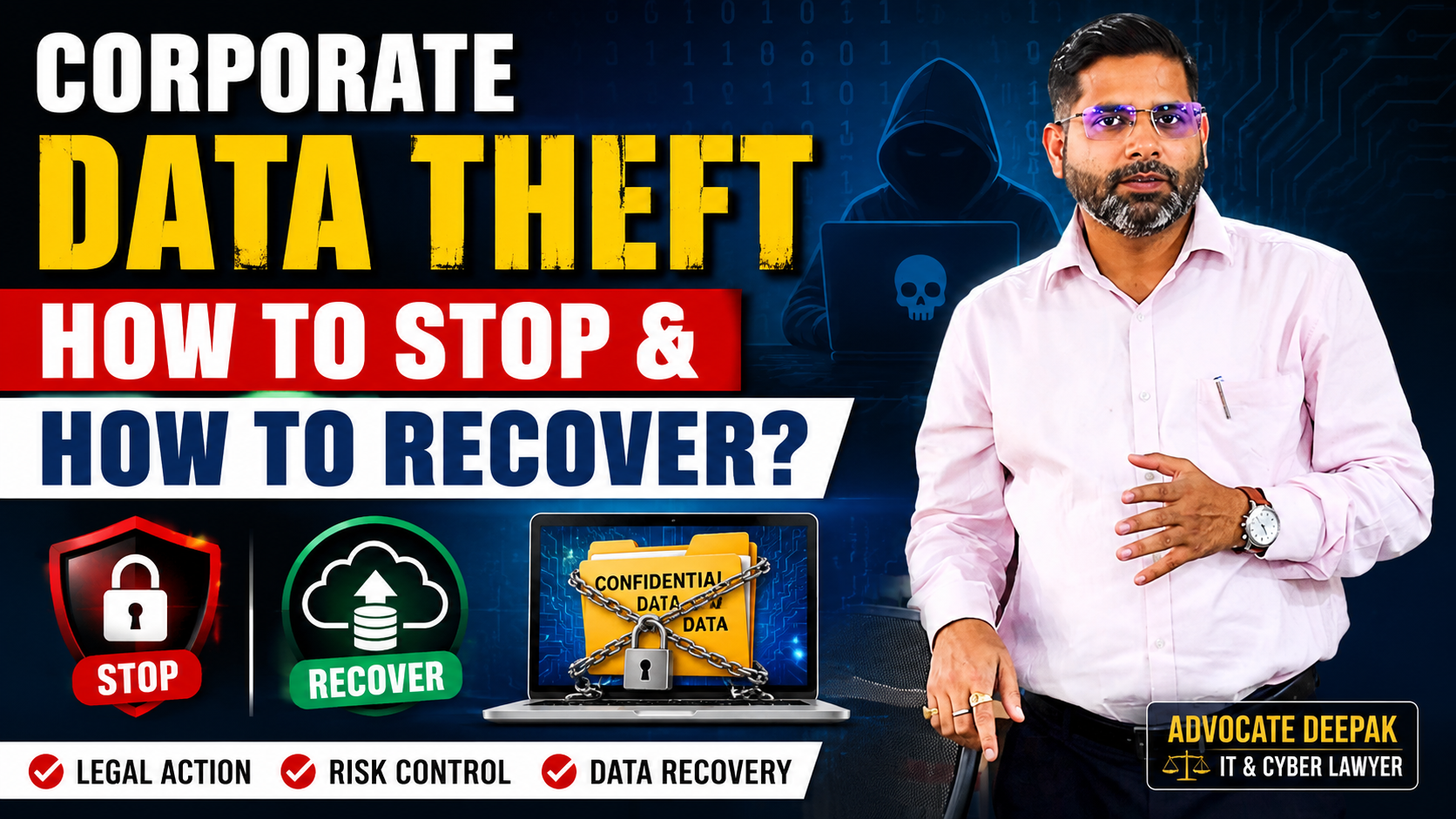
Corporate Data Theft – A Growing Threat
In the modern digital economy, company data is often more valuable than physical assets. Customer databases, trade secrets, financial records, source codes, vendor information, and business strategies can be stolen by insiders, including employees, contractors, or former staff members.
The biggest risk comes from trusted employees who already have access to sensitive systems and confidential information.
How Corporate Data Theft Usually Happens
Common Methods Used by Employees
1. USB Device Transfers
Employees copy company files to:
- Pen drives
- External hard disks
- Mobile phones
2. Personal Email Accounts
Sensitive documents are forwarded to:
- Gmail
- Outlook
- Yahoo Mail
- ProtonMail
3. Cloud Storage Uploads
Files are uploaded to:
- Google Drive
- Dropbox
- OneDrive
- iCloud
4. Screenshots and Photographs
Instead of downloading files, employees capture:
- Customer databases
- Internal dashboards
- Financial reports
5. Source Code Theft
Developers may copy:
- Software repositories
- Databases
- Proprietary algorithms
6. Sharing Information with Competitors
Some employees illegally share confidential business information with competitors for personal gain.
https://youtu.be/hp5-ZQi9uHk
Warning Signs of Employee Data Theft
If any of the following activities occur, an immediate investigation should be conducted:
✅ Large file downloads
✅ Unusual USB usage
✅ Frequent access to confidential folders
✅ Access outside office hours
✅ Mass emailing of documents
✅ Sudden deletion of records
✅ Employee resignation followed by unusual system activity
How to Protect Your Company
Data Protection Strategy
1. Implement Strong Access Controls
Use:
- Role-Based Access Control (RBAC)
- Multi-Factor Authentication (MFA)
- Zero Trust Architecture
2. Monitor Employee Activity
Track:
- File downloads
- Email transfers
- Login locations
- USB usage
3. Deploy Data Loss Prevention (DLP)
DLP solutions can block:
- Unauthorized downloads
- Email transfers
- Cloud uploads
4. Use Employee Agreements
Every employee should sign:
- NDA
- Confidentiality Agreement
- Intellectual Property Agreement
5. Conduct Exit Audits
Before an employee leaves:
- Disable access
- Review recent activity
- Recover company devices
- Reset credentials
What To Do If Data Theft Has Already Happened
Time is critical.
The first 24–48 hours can determine whether data is recovered or permanently lost.
Step 1: Preserve Digital Evidence
Collect:
- Access logs
- Server logs
- Email records
- CCTV footage
- Device records
- Download history
Never delete evidence.
Step 2: Block Further Access
Immediately:
- Disable employee accounts
- Reset passwords
- Revoke VPN access
- Restrict cloud access
Step 3: Conduct Digital Forensic Investigation
A forensic investigation helps determine:
- What data was stolen
- How it was stolen
- When theft occurred
- Where data was transferred
Step 4: Send Legal Notice
Demand:
- Immediate return of data
- Deletion of copies
- Cease and desist from misuse
Step 5: File Cyber Crime Complaint
Companies may approach:
- Cyber Crime Police Station
- Local Police
- Specialized Investigation Agencies
depending upon the facts of the case.
Step 6: Seek Court Injunction
A court may grant:
- Restraining orders
- Data preservation orders
- Temporary injunctions
to prevent further misuse.
Can Stolen Data Be Recovered?
Yes, Often It Can.
Recovery success depends on how quickly action is taken.
Possible Recovery Sources
Recovery Methods
- Backup restoration
- Cloud recovery
- Forensic disk imaging
- Deleted file recovery
- Email archive restoration
- Server reconstruction
Legal Remedies Available
Civil Remedies
Companies may seek:
- Injunctions
- Compensation
- Damages
- Recovery of losses
Criminal Remedies
Depending on facts, authorities may investigate:
- Data theft
- Criminal breach of trust
- Unauthorized access
- Fraud-related activities
How a Cyber Crime Advocate Can Help
A Cyber Law Expert can assist in:
✅ Emergency response strategy
✅ Evidence preservation
✅ Digital forensic coordination
✅ Legal notices
✅ Cyber crime complaints
✅ Injunction petitions
✅ Data recovery strategy
✅ Corporate investigations
Frequently Asked Questions (FAQs)
Q1. Can an employee legally take customer databases after resignation?
No. Customer databases and confidential company information generally belong to the organization, and unauthorized use may result in legal consequences.
Q2. What is the first thing a company should do after discovering data theft?
Preserve evidence immediately and disable unauthorized access.
Q3. Can deleted files be recovered?
In many cases, yes. Digital forensic specialists can often recover deleted data from devices and servers.
Q4. Can the company sue the employee?
Yes. Depending on the circumstances, companies may seek injunctions, damages, and other legal remedies.
Q5. Can cloud uploads be traced?
Often yes. Cloud logs, access records, IP logs, and forensic analysis can help identify transfers.
Q6. How quickly should action be taken?
Immediately. Delays may result in permanent loss of evidence and wider data exposure.
Q7. Can source code theft be investigated?
Yes. Source code repositories, commit logs, access logs, and forensic analysis can help identify unauthorized copying.
Corporate data theft can cause massive financial losses, reputational damage, and loss of competitive advantage. Organizations should combine cybersecurity controls, employee monitoring, legal protections, and rapid incident response to reduce risk.
If employee data theft is suspected, act immediately:
Preserve Evidence → Stop Access → Conduct Forensics → Take Legal Action → Recover Data
The faster the response, the greater the chances of recovering stolen corporate information and preventing further misuse.